Create Masterpieces with Ted's Woodworking!

Whether you’re a seasoned craftsman or a complete beginner, Ted's Woodworking provides the ultimate resource for turning your woodworking dreams into reality.
- 16,000 Woodworking Plans: From furniture to garden projects, find the perfect plan for your next build.
- Step-by-Step Instructions: Detailed guides that make even complex projects simple and fun.
- Material Lists Included: Save time and money with precise material breakdowns for every project.
- Suitable for All Skill Levels: Whether you’re a pro or just starting out, there’s something for everyone.
- Lifetime Access: Build at your own pace with unlimited access to your plans.
Get Instant Access to 16,000 Woodworking Plans!
Monday, October 14, 2024
Small Toolbox Organizer Projects That Are Easy to Sell

Small Toolbox Organizer Projects That Are Easy to Sell
In the realm of woodworking and DIY, crafting practical and visually appealing projects holds immense appeal. For those seeking lucrative ventures with minimal investment and manageable complexity, creating small toolbox organizers presents an excellent opportunity. These compact creations cater to the ubiquitous need for order and efficiency within workshops, garages, and toolboxes, ensuring a ready market for your handiwork.
This article delves into the intricacies of crafting small toolbox organizers, providing insights into their design, construction, and marketing strategies. We will explore various ideas that are both functional and aesthetically pleasing, offering guidance on materials, tools, and techniques to guide your creative endeavors. Moreover, we will equip you with tips on pricing your creations effectively, showcasing them to potential buyers, and establishing a sustainable online presence to expand your reach.
Understanding the Market Demand
Before embarking on your toolbox organizer journey, it's crucial to understand the target audience and their needs. Toolbox organizers cater to a diverse clientele, including:
- Home DIY enthusiasts: These individuals often require organized storage solutions for their tools, ensuring they are readily accessible for home improvement projects.
- Professional tradespeople: Plumbers, electricians, carpenters, and other skilled professionals rely on efficient tool organization for productivity and safety.
- Hobbyists: Model builders, electronics hobbyists, and craft enthusiasts benefit from compact organizers for their specialized tools and components.
Identifying the specific needs of your target market will influence your design choices. Consider the size and type of tools they commonly use, their storage preferences, and the overall aesthetic they desire.
Conceptualizing Your Designs
The design of your toolbox organizer is paramount to its success. It should be practical, durable, and visually appealing. Here are some key considerations:
Functionality
- Compartmentation: Design compartments of varying sizes to accommodate tools of different dimensions.
- Accessibility: Ensure that all tools are easily accessible without having to rummage through multiple layers.
- Security: For valuable tools, consider incorporating locking mechanisms or secure compartments.
Materials
- Wood: Plywood, MDF, and hardwood offer durability and a natural aesthetic.
- Plastic: Lightweight and water-resistant, plastic is suitable for less demanding applications.
- Metal: Aluminum and steel provide exceptional strength and longevity.
Aesthetic Appeal
- Color: Choose colors that complement the user's workspace or personal preferences.
- Finish: Consider staining, painting, or using clear finishes to enhance the visual appeal.
- Design: Explore unique shapes, patterns, or embellishments to set your organizers apart.
Crafting Your Toolbox Organizers
Once you have finalized your designs, it's time to bring them to life. The following steps provide a general guide:
Materials and Tools
- Materials: Choose your preferred materials based on design and budget.
- Tools: Assemble a basic woodworking toolkit, including a saw, drill, sandpaper, clamps, and glue.
- Measuring tools: Precision is key for accurate cuts and assembly.
- Safety gear: Wear safety glasses, ear protection, and gloves while working.
Construction Process
- Cutting: Use a saw to accurately cut your chosen materials based on your design plans.
- Drilling: Drill holes for screws, hinges, or other hardware as required.
- Assembling: Securely fasten the various components using glue, screws, or other fasteners.
- Finishing: Sand down rough edges, apply stains or paints, and add any desired embellishments.
Marketing Your Creations
With your toolbox organizers ready, it's time to bring them to the market. Here are some effective strategies:
Online Presence
- Etsy: This popular online marketplace is ideal for selling handcrafted items.
- Amazon Handmade: Another established platform for artisans to showcase their work.
- Social Media: Create accounts on platforms like Instagram and Facebook to share photos, videos, and stories of your creations.
- Website: Consider building a website to showcase your full product line and provide more detailed information.
Offline Opportunities
- Local Craft Fairs and Markets: These events offer direct interaction with potential customers.
- Consignment Shops: Partner with local shops to sell your organizers on their premises.
- Networking: Attend industry events and connect with fellow makers and potential buyers.
Pricing and Profitability
Pricing your toolbox organizers is a delicate balance between cost and market value. Consider:
- Material Costs: Account for the cost of all materials, including wood, hardware, and finishing supplies.
- Labor Costs: Factor in the time spent designing, constructing, and finishing each organizer.
- Market Research: Analyze prices of similar products on other platforms and assess the value proposition of your unique offerings.
- Profit Margin: Aim for a reasonable profit margin to ensure financial sustainability.
Conclusion
Crafting small toolbox organizers presents a lucrative opportunity for woodworking enthusiasts and DIYers seeking to generate income from their skills. By carefully considering design, materials, construction, and marketing strategies, you can create sought-after products that cater to the widespread demand for organized storage solutions. Embrace creativity, refine your craftsmanship, and leverage online and offline channels to reach a broader audience. With dedication and perseverance, you can establish a thriving business centered around functional and visually appealing toolbox organizers.

Friday, August 2, 2024
DIY Chess Tables That Sell Like Hotcakes
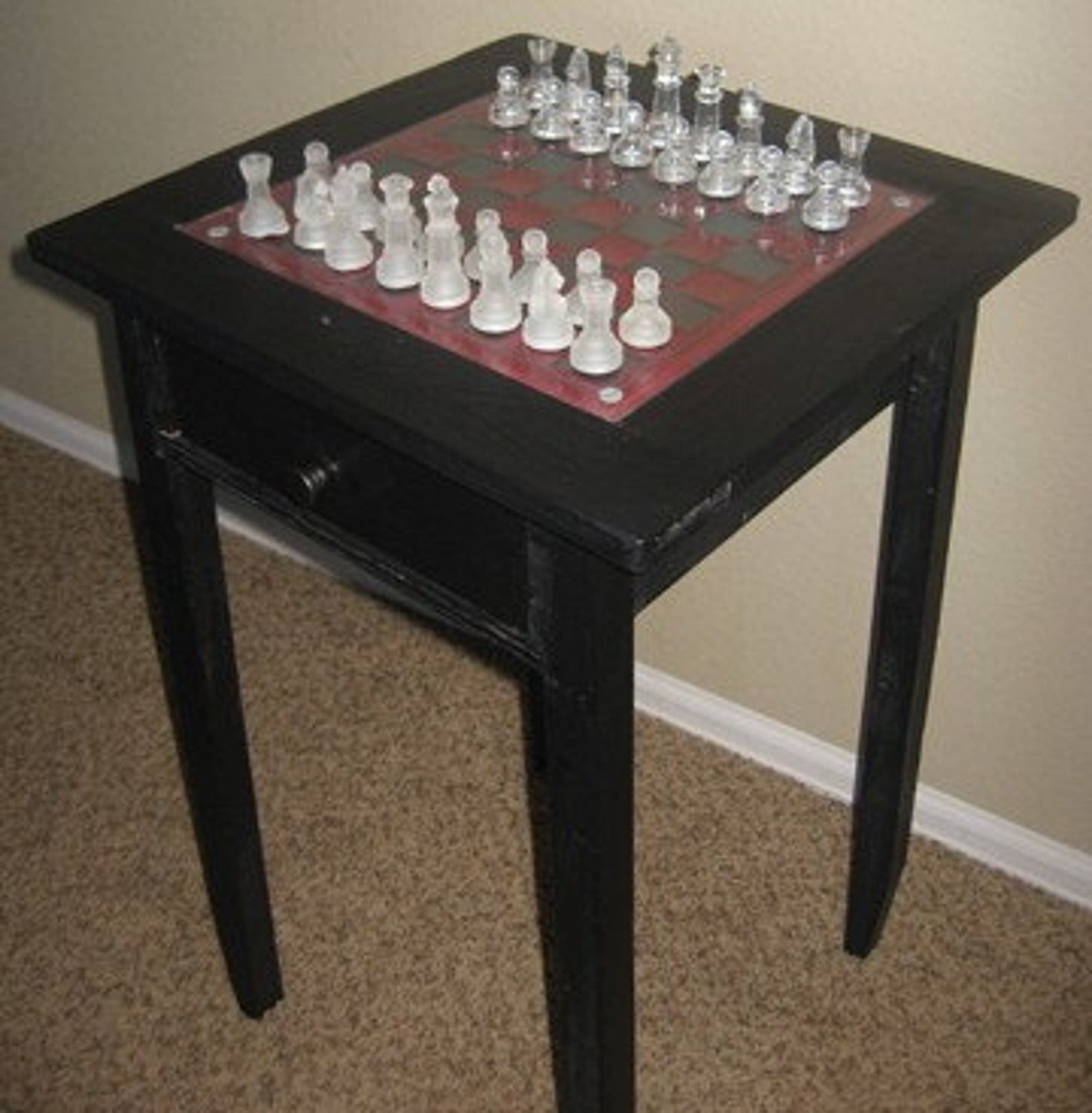
DIY Chess Tables That Sell Like Hotcakes: Crafting a Winning Strategy
Want to turn your woodworking passion into a profitable venture? Look no further than crafting stunning, functional chess tables. These timeless pieces are not just for game enthusiasts, but also stylish additions to homes and offices. By combining your skills with a strategic approach to design and marketing, you can create chess tables that sell like hotcakes.
Why Chess Tables Are a Hot Commodity
The appeal of chess tables goes beyond their practical function. They represent a symbol of intellect, strategy, and timeless elegance. As a result, these tables are sought after by:
- Chess enthusiasts: Dedicated players crave a dedicated space for their beloved game, elevating their experience with a quality table.
- Home decorators: Chess tables add a touch of sophistication and conversation-starting flair to living rooms, studies, and even bedrooms.
- Gift-givers: These tables make unique and memorable presents for birthdays, holidays, and special occasions.
By tapping into these diverse markets, you can build a loyal customer base eager to own your handcrafted masterpieces.
Crafting Chess Tables That Stand Out
The key to success lies in creating chess tables that are not just functional but also visually appealing and unique. Here are some ideas to inspire your creations:
Material Magic
Experiment with different wood species to create distinct aesthetics and textures. Consider:
- Hardwoods: Cherry, walnut, maple, and oak for a classic and elegant look.
- Softwoods: Pine or cedar for a rustic and warm feel.
- Exotic woods: Rosewood, ebony, or mahogany for a touch of luxury.
You can also explore other materials like reclaimed wood, metal, or glass for a more contemporary design.
Design Diversity
Don't limit yourself to traditional square tables. Explore different shapes and sizes:
- Round tables: Offer a more intimate and conversational setting.
- Oval tables: Provide a sleek and modern aesthetic.
- Folding tables: Offer convenience for storage and portability.
You can even incorporate storage compartments, drawers, or hidden compartments to enhance functionality and appeal.
Adding a Personal Touch
Make your chess tables truly unique by incorporating personal touches:
- Intricate carvings: Add intricate designs or chess-related motifs.
- Inlays: Create beautiful patterns using contrasting wood species or other materials.
- Custom finishes: Apply various stains, paints, or varnishes to achieve the desired color and sheen.
These details will elevate your creations from ordinary to extraordinary, capturing the attention of discerning buyers.
Marketing Your Masterpieces
Once you've crafted stunning chess tables, it's time to showcase them to the world. Here's how to market your creations effectively:
Online Platforms
Utilize online marketplaces like Etsy, eBay, or specialized woodworking platforms to reach a wider audience. Optimize your listings with high-quality photos, detailed descriptions, and attractive titles.
Social Media Strategies
Engage with your target audience on platforms like Instagram, Facebook, and Pinterest. Share captivating photos and videos of your crafting process and finished products. Highlight the unique features and stories behind each chess table.
Local Events and Craft Fairs
Participate in local craft fairs, art festivals, or even chess tournaments to connect directly with potential buyers. This allows you to showcase your craftsmanship firsthand and generate excitement around your brand.
Word-of-Mouth Marketing
Leverage the power of positive word-of-mouth by providing excellent customer service and creating high-quality products. Satisfied customers become your best brand ambassadors, spreading the word about your talent.
A Winning Formula
Crafting DIY chess tables that sell like hotcakes requires a combination of skill, creativity, and strategic marketing. By focusing on quality, uniqueness, and customer satisfaction, you can turn your woodworking passion into a profitable business. So, pick up your tools, unleash your creativity, and start crafting your own chess table success story!