Create Masterpieces with Ted's Woodworking!

Whether you’re a seasoned craftsman or a complete beginner, Ted's Woodworking provides the ultimate resource for turning your woodworking dreams into reality.
- 16,000 Woodworking Plans: From furniture to garden projects, find the perfect plan for your next build.
- Step-by-Step Instructions: Detailed guides that make even complex projects simple and fun.
- Material Lists Included: Save time and money with precise material breakdowns for every project.
- Suitable for All Skill Levels: Whether you’re a pro or just starting out, there’s something for everyone.
- Lifetime Access: Build at your own pace with unlimited access to your plans.
Get Instant Access to 16,000 Woodworking Plans!
Friday, November 15, 2024
Profitable Wall Shelf Projects to Make and Sell
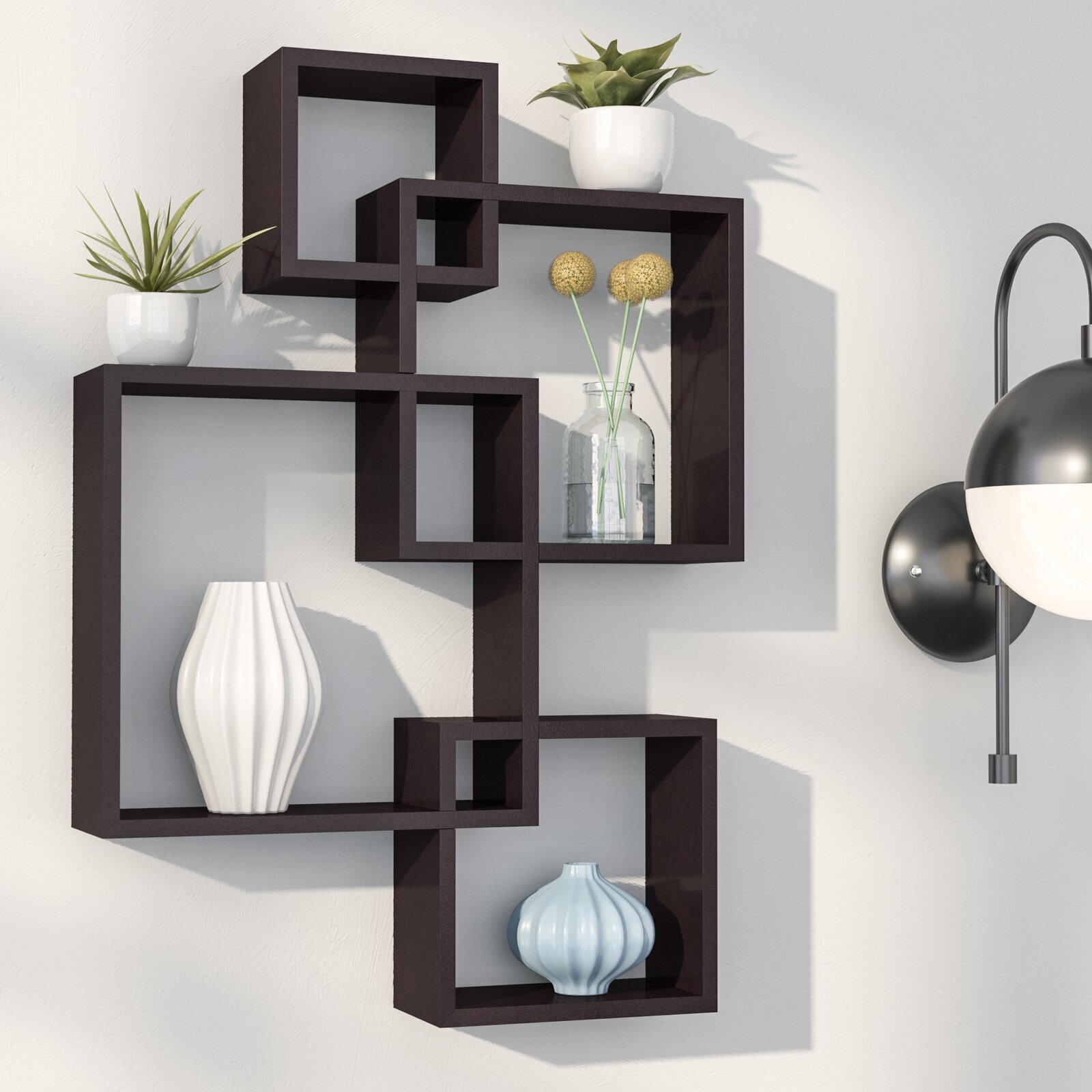
Profitable Wall Shelf Projects to Make and Sell
Wall shelves are a staple in any home, offering practical storage solutions and enhancing the aesthetic appeal of a space. For those seeking lucrative crafting ventures, building and selling wall shelves presents a profitable opportunity. This article delves into the realm of profitable wall shelf projects, exploring various designs, materials, and marketing strategies to guide aspiring crafters towards success.
Popular Wall Shelf Styles and Designs
The first step in creating profitable wall shelves is to understand the diverse styles and designs that resonate with customers. By offering a range of options, you can cater to a broader audience and increase your sales potential.
Floating Shelves
Floating shelves create a sleek and modern look by appearing to float on the wall. They are typically made from wood or metal and are often constructed with hidden brackets for a minimalist aesthetic. These shelves are popular in living rooms, bedrooms, and kitchens, adding a touch of sophistication to any space.
Rustic Shelves
Rustic shelves evoke a sense of warmth and character. They are often crafted from reclaimed wood, such as barn wood or pallet wood, and feature distressed finishes, knots, and uneven edges. These shelves are ideal for farmhouse, cottage, or industrial-style interiors, adding a touch of vintage charm.
Geometric Shelves
Geometric shelves add a contemporary touch to any room. They feature unique shapes, such as triangles, hexagons, or circles, and can be arranged in various configurations to create visually interesting displays. These shelves are perfect for showcasing decorative items, books, or plants.
Corner Shelves
Corner shelves make the most of often-unused space in a room. They are designed to fit seamlessly into corners, maximizing storage and adding visual interest. Corner shelves are particularly useful in small spaces, where every inch counts.
Materials and Finishes for Profitable Wall Shelves
The materials and finishes you choose for your wall shelves significantly influence their aesthetic appeal and cost. Here are some popular options:
Wood
- Pine: Affordable and readily available, pine is a versatile wood suitable for various styles.
- Oak: Strong and durable, oak offers a classic look and natural warmth.
- Maple: Known for its beautiful grain patterns, maple is ideal for rustic and contemporary designs.
- Reclaimed wood: Adds a unique touch and environmental sustainability to your shelves.
Metal
- Steel: Robust and modern, steel shelves offer a sleek and industrial look.
- Iron: Durable and often finished with rustic or antique accents, iron shelves add character and longevity.
- Brass: Adds a touch of elegance and warmth with its warm metallic tones.
Finishes
- Paint: Offers a wide range of colors and finishes, allowing you to customize your shelves to match any décor.
- Stains: Enhance the natural grain patterns of wood, creating warm and inviting hues.
- Waxes: Protect and add sheen to wood surfaces, creating a durable and elegant finish.
- Distressed finishes: Create a vintage and weathered look, adding character and charm.
Tips for Maximizing Profits
To ensure your wall shelf crafting business thrives, consider the following tips:
Target Niche Markets
Instead of trying to appeal to everyone, focus on specific niche markets. For example, you could specialize in farmhouse-style shelves, modern geometric shelves, or shelves designed for specific rooms, such as kitchens or bathrooms.
Offer Customization Options
Give customers the ability to personalize their shelves by offering a range of wood types, finishes, sizes, and hardware. This adds value and makes your products more appealing.
Set Competitive Pricing
Research your competitors' prices and ensure your pricing is competitive. Consider the cost of materials, labor, and overhead expenses when setting your prices.
Promote Your Business
Use social media platforms, online marketplaces, craft fairs, and local shops to promote your wall shelves. Showcase your work through high-quality photos and videos, and highlight the unique features and benefits of your products.
Provide Excellent Customer Service
Respond promptly to customer inquiries, address concerns effectively, and provide a positive experience for every customer. This will encourage repeat business and positive word-of-mouth referrals.
Marketing Strategies for Wall Shelf Businesses
Effective marketing is crucial for attracting customers and generating sales. Consider these strategies:
Social Media Marketing
Platforms like Instagram, Facebook, and Pinterest are ideal for showcasing your wall shelves. Use high-quality photos and videos to capture the beauty of your products and highlight their unique features. Run targeted ads to reach your ideal audience and engage followers with contests and promotions.
Online Marketplaces
Etsy, Amazon Handmade, and other online marketplaces provide a platform to reach a global audience. Create professional product listings with detailed descriptions, high-quality images, and competitive pricing.
Craft Fairs and Events
Attending craft fairs and events allows you to connect directly with customers and showcase your work in person. Prepare eye-catching displays and offer discounts to attract buyers. Network with other crafters and vendors to expand your reach.
Collaboration with Retailers
Partner with local home decor stores or boutiques to sell your wall shelves through their channels. This can provide access to a wider customer base and increase your sales volume.
Conclusion
Building and selling wall shelves can be a profitable and rewarding endeavor. By understanding popular styles and designs, sourcing high-quality materials, and implementing effective marketing strategies, aspiring crafters can establish a successful business. Remember to target niche markets, offer customization options, set competitive prices, and provide excellent customer service to ensure your wall shelf business thrives.

Wine Rack Ideas to Make and Sell for a Quick Profit

Wine Rack Ideas to Make and Sell for a Quick Profit
Are you looking for a fun and profitable side hustle? Look no further than crafting unique and stylish wine racks! Wine racks are always in demand, and with a little creativity and elbow grease, you can turn your woodworking skills into a lucrative business. This article will explore some popular wine rack ideas that are sure to appeal to a wide range of customers.
Popular Wine Rack Styles
There are countless ways to design and build wine racks, but certain styles consistently remain popular.
Wall-Mounted Wine Racks
Wall-mounted racks are a great option for maximizing space, especially in smaller kitchens or dining rooms. These racks are easy to install and come in various shapes and sizes. Consider incorporating decorative elements like metal accents or rustic wood finishes to enhance their appeal.
Freestanding Wine Racks
For those who prefer a more substantial display, freestanding wine racks offer a stylish and functional storage solution. These racks can be designed as a simple table-top unit or a towering structure with multiple shelves. Choose sturdy materials like metal or wood to create a durable and eye-catching piece.
Under-Counter Wine Racks
For those who prioritize space-saving solutions, under-counter wine racks are a perfect fit. These racks are designed to be installed beneath kitchen countertops, allowing for convenient wine storage without sacrificing valuable countertop space. Use compact materials like metal or acrylic to create a sleek and efficient design.
Unique Wine Rack Ideas to Stand Out
To attract customers and make a statement, consider crafting wine racks with unconventional features and designs.
Wine Racks with Built-in Bottle Openers
Make life easier for wine enthusiasts by integrating a bottle opener directly into the wine rack design. This feature adds practicality and makes the rack a truly unique offering. Consider adding a drip tray to prevent messes.
Wine Racks with Glass Storage
Add an extra touch of elegance to your wine rack designs by incorporating glass storage. Glass shelves can provide a modern and clear display of your client's wine collection. Ensure the glass shelves are securely mounted for safety and durability.
Wine Racks with Decorative Elements
Elevate your wine rack designs by incorporating decorative elements like etched glass panels, laser-cut wood accents, or metal scrollwork. These elements add a touch of sophistication and can be customized to suit specific tastes.
Tips for Making and Selling Wine Racks for a Quick Profit
Now that you have some inspiring wine rack ideas, here are some practical tips to ensure you're on track for a successful business venture.
Focus on High-Quality Materials
Using high-quality materials is essential for creating durable and aesthetically pleasing wine racks. Opt for sturdy woods, robust metals, or thick acrylics to ensure your products are built to last. This commitment to quality will attract discerning customers and help you command higher prices.
Utilize Affordable Production Methods
While you should invest in quality materials, strive to find cost-effective production methods to maximize your profit margins. Explore using readily available tools and techniques, and consider sourcing materials from wholesale suppliers.
Target Specific Market Niches
Instead of trying to cater to everyone, focus on specific market niches with unique needs. For example, you could target customers looking for rustic wine racks, modern wine racks, or eco-friendly wine racks. Understanding your target market will help you tailor your designs and marketing efforts.
Offer Customization Options
Make your wine rack designs stand out by offering customization options. Allow customers to choose from a variety of wood finishes, metal accents, or decorative elements. This customization allows you to create unique and personalized pieces, increasing customer satisfaction and loyalty.
Leverage Online Marketplaces
The internet provides a vast and accessible platform for selling your handcrafted wine racks. Utilize online marketplaces like Etsy, Amazon Handmade, or your own website to reach a wider audience. Invest in high-quality product photography and compelling descriptions to showcase your unique designs.
Conclusion
Making and selling wine racks can be a rewarding and profitable endeavor. By focusing on quality materials, unique designs, and effective marketing strategies, you can carve a niche in the ever-growing market for handcrafted home decor. Embrace your creativity, get started with your crafting journey, and watch your wine rack business flourish.
Thursday, November 14, 2024
How to Craft Personalized Serving Trays for Extra Income

Turn Your Creative Flair Into Extra Income: Crafting Personalized Serving Trays
Hey there, crafty folks! Are you looking for a fun and rewarding way to earn some extra cash? Well, let me tell you, crafting personalized serving trays is a fantastic option! It combines your creative skills with the ever-growing demand for unique and thoughtful gifts. Imagine creating beautiful trays that become cherished keepsakes, bringing smiles to faces and filling homes with warmth. This guide will walk you through everything you need to know, from choosing the right materials to marketing your creations. So grab your favorite crafting tools and let's dive in!Why Personalized Serving Trays Are a Hot Commodity
Personalized gifts are always a hit because they show you put thought and effort into the present. Serving trays are particularly appealing because they’re practical and versatile. They can be used for everything from serving snacks and drinks to displaying decorative items. And when you add a personal touch, you create something truly special.
Materials You'll Need
Before you get started, let's gather the essential materials. Don't worry, you don't need to spend a fortune. Most of these items can be found at your local craft store or online.
The Tray Base
- Wooden Trays: These are sturdy and come in various sizes and styles. You can even find unfinished wooden trays, giving you the flexibility to customize the look.
- Metal Trays: For a more modern vibe, try metal trays. They come in different finishes like silver, copper, or even black.
- Ceramic Tiles: Get creative by using ceramic tiles as the base. You can paint them or use decoupage techniques to add your designs.
Decorative Elements
- Paints: Choose acrylic paints, which are great for wood and ceramics. Explore different colors, textures, and finishes to suit your style.
- Stencils: Stencils allow you to easily create intricate designs. You can find them at craft stores or even make your own using adhesive paper.
- Vinyl Stickers: Want to add quotes, names, or patterns? Vinyl stickers are perfect for this and come in various sizes and colors.
- Decoupage Paper: This thin paper, often featuring beautiful patterns, is perfect for adding a decorative touch to your trays.
- Embellishments: Get creative with embellishments like buttons, beads, ribbons, or even dried flowers to add texture and personality to your trays.
Essential Tools
- Paintbrushes: Choose brushes of various sizes depending on your designs.
- Sandpaper: Sand down any rough edges on wooden trays and smooth out surfaces before painting.
- Scissors: For cutting stencils, decoupage paper, and vinyl stickers.
- Mod Podge: This multi-purpose adhesive is perfect for decoupage and sealing your designs.
- Protective Coating: A clear varnish or polyurethane will protect your tray from scratches and moisture.
Crafting Your Personalized Serving Trays
Now for the fun part! Let's get crafting! Here's a step-by-step guide to help you create your personalized serving trays:
Step 1: Choose Your Tray Base
Think about the size, style, and material that will best suit your design ideas. A rustic wooden tray might be perfect for a farmhouse aesthetic, while a sleek metal tray might fit a modern home better.
Step 2: Prepare the Tray
Clean your chosen tray base thoroughly. If you're working with wood, sand it smooth for a nice finish. For metal, use a cleaner to remove any residue.
Step 3: Brainstorm Your Design
Get your creative juices flowing! What theme or message do you want to convey with your tray? Consider the recipient's interests and personality. A food-themed tray could feature a favorite quote or recipe. A travel-themed tray could have a map or vintage luggage tags. The possibilities are endless!
Step 4: Create Your Design
- Paint: Paint the tray with your chosen base color, and then use stencils or freehand painting to add your design. Let the paint dry completely before moving on.
- Vinyl Stickers: Apply vinyl stickers carefully to your tray. Use a squeegee to smooth out any air bubbles.
- Decoupage: Cut out pieces of decoupage paper and apply them to your tray using Mod Podge. Brush on additional Mod Podge to seal the paper and create a smooth finish.
Step 5: Add Embellishments (Optional)
Embellishments can really make your tray stand out! Use buttons, beads, ribbons, or dried flowers to add texture and dimension. Be sure to secure them with glue or Mod Podge.
Step 6: Seal Your Design
Apply a protective coating like clear varnish or polyurethane to seal your design and protect it from wear and tear. This will also give your tray a beautiful shine.
Marketing Your Personalized Serving Trays
Now that you've created some stunning trays, it's time to share your work with the world! Here are some ways to market your creations:
- Online Marketplaces: Platforms like Etsy, Amazon Handmade, and Shopify allow you to sell your handmade items directly to customers.
- Social Media: Use platforms like Instagram and Facebook to showcase your trays, build a following, and engage with potential buyers.
- Local Craft Fairs: Participate in craft fairs and markets to meet customers face-to-face and sell your trays directly.
- Word-of-Mouth: Don't underestimate the power of word-of-mouth. Tell your friends, family, and neighbors about your business. You can even offer discounts for referrals.
Pricing Your Trays
Pricing your trays can be tricky. Consider your materials, time, and the uniqueness of your design. Research similar products to get an idea of what other sellers charge. Don't be afraid to charge what your work is worth!
Tips for Success
- High-Quality Materials: Use quality materials to ensure your trays are durable and long-lasting. This will also reflect well on your brand.
- Attention to Detail: Take your time with each step. A well-crafted, personalized tray is worth the extra effort.
- Offer Gift Wrapping: Make your trays even more appealing by offering gift wrapping options.
- Excellent Customer Service: Respond to inquiries promptly, be friendly, and go the extra mile to satisfy your customers. Happy customers are your best advertisement!
Commonly Asked Questions
What kind of paint is best for serving trays?
Acrylic paint is generally the best choice for serving trays. It's durable, dries quickly, and comes in a wide variety of colors.
How do I protect my designs from scratches and water?
Seal your designs with a clear varnish or polyurethane. This will create a protective barrier that will help prevent scratches and water damage.
How do I get started selling my personalized serving trays?
Start by creating a small collection of trays. Then, choose a few online marketplaces or social media platforms to promote your work. Don't be afraid to reach out to local shops or boutiques to see if they're interested in carrying your trays.
Crafting personalized serving trays can be a fun and profitable side hustle. With a little creativity, patience, and the right marketing strategy, you can turn your passion into a successful business!
Wednesday, November 13, 2024
Wine Racks for Every Space: Woodworking Projects to Sell

Wine Racks for Every Space: Woodworking Projects to Sell
Are you a woodworking enthusiast looking for profitable projects to sell? Look no further than wine racks! With their timeless appeal and practical functionality, wine racks are always in demand. From sleek modern designs to rustic farmhouse styles, there's a wine rack out there for every taste and budget. Not only can you create beautiful pieces for your own home, but you can also tap into a lucrative market by crafting and selling these versatile storage solutions.
The Appeal of Wine Racks
Wine racks offer several advantages that make them a great woodworking project for both personal use and sale. Here are a few reasons why wine racks are always in demand:
- Functionality: Wine racks provide a dedicated space to store and display wine bottles, keeping them organized and protected from dust and damage.
- Style: Wine racks come in a wide range of styles, from minimalist to ornate, allowing you to cater to different tastes and décor.
- Versatility: Wine racks can be customized to fit any space, from small apartments to spacious wine cellars.
- Giftability: Wine racks make thoughtful and practical gifts for wine enthusiasts and home décor lovers.
Woodworking Projects for Wine Racks
The possibilities for wine rack designs are endless. Here are some popular and profitable wine rack projects that you can consider:
Wall-Mounted Wine Racks
Wall-mounted wine racks are a space-saving and stylish option, perfect for smaller spaces. These racks can be designed with various configurations, such as vertical, horizontal, or angled shelves. They can be made from a variety of woods, including pine, oak, walnut, or even reclaimed wood, offering a rustic charm.
Freestanding Wine Racks
Freestanding wine racks provide more storage capacity and can serve as a focal point in a room. You can create elaborate designs with multiple tiers, drawers, or even built-in bottle openers. This project allows for creative freedom and can be a great way to showcase your woodworking skills.
Wine Rack with Storage
Combining wine storage with other features like shelving, drawers, or even a small bar top can create a multi-functional piece of furniture. This design is ideal for those who want to maximize space and create a dedicated wine corner in their home.
Marketing Your Wine Racks
Once you've created your wine racks, it's time to showcase your work and attract customers. Here are some effective marketing strategies:
- Online Marketplaces: Platforms like Etsy, Shopify, or Amazon Handmade offer excellent opportunities to reach a broad audience.
- Social Media: Instagram, Facebook, and Pinterest are ideal for showcasing your wine racks and connecting with potential buyers.
- Local Craft Fairs: Participating in craft fairs and farmers markets allows you to interact directly with customers and promote your products.
- Word-of-Mouth: Encourage satisfied customers to spread the word about your work and refer their friends and family.
With a little creativity and effort, you can turn your woodworking passion into a successful business by crafting and selling wine racks. The demand for these functional and stylish pieces is always strong, and by offering unique designs and high-quality craftsmanship, you can create a thriving woodworking venture.
Monday, November 11, 2024
Wooden Storage Bins for Organizing Small Tools and Accessories
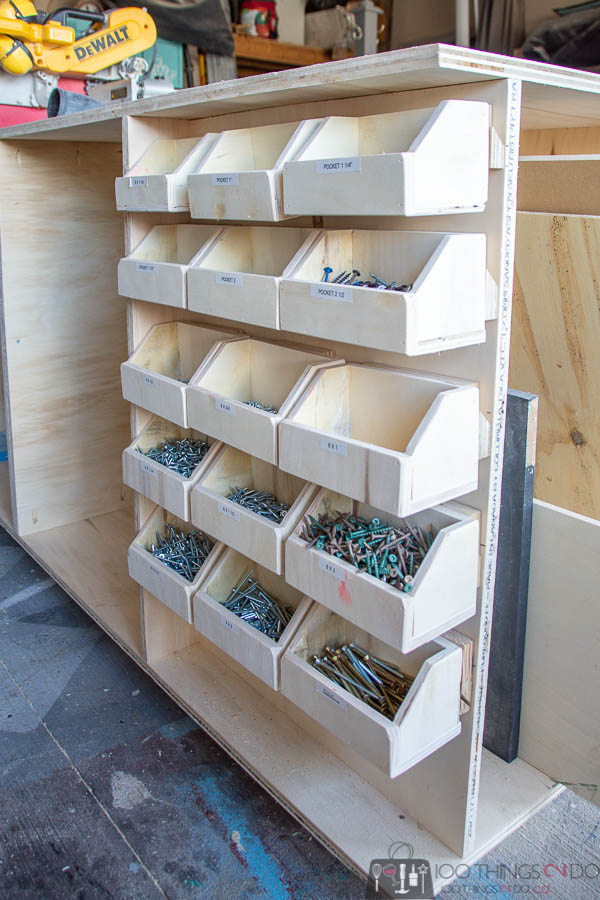
Wooden Storage Bins: The Perfect Solution for Organizing Your Small Tools and Accessories
Let's face it, small tools and accessories can be a real pain to keep organized. They're always getting lost in the clutter, and finding the right one when you need it can feel like a treasure hunt. But fear not, my friend! There's a simple and stylish solution: wooden storage bins. These handy little boxes are the perfect way to tame your tool chaos and create a workspace that's both functional and aesthetically pleasing.
Imagine a world where your screwdrivers, pliers, and other essential tools are neatly arranged, readily accessible, and looking good while doing it. That's the magic of wooden storage bins. They bring a touch of rustic charm to any space, while providing a practical and efficient way to keep your small tools and accessories organized.
Why Wooden Storage Bins are Awesome
You might be thinking, "Wooden bins? That's a bit old-fashioned, isn't it?" But hold on! Wooden storage bins are anything but old-fashioned. In fact, they offer a unique combination of benefits that make them a top choice for tool organization:
- Durable and Long-Lasting: Made from solid wood, these bins are built to last. They can withstand the wear and tear of everyday use, ensuring your tools are protected and your investment lasts.
- Natural and Eco-Friendly: Opting for wooden storage bins aligns with a more sustainable lifestyle. They are made from renewable resources and offer a natural, timeless aesthetic.
- Versatile and Customizable: Wooden bins come in various sizes and styles, making it easy to find the perfect fit for your specific needs. You can even personalize them with paint, stain, or decoupage to match your workspace.
- Adds a Touch of Warmth and Charm: The natural grain and texture of wood bring a touch of warmth and character to any room, creating a welcoming atmosphere that contrasts with the cold, sterile feel of plastic containers.
- Easy to Clean: A quick wipe down with a damp cloth is all it takes to keep your wooden bins looking their best.
Choosing the Right Wooden Storage Bins
Now that you're convinced of the benefits, let's talk about choosing the right wooden storage bins. Here's a breakdown of important factors to consider:
Size and Shape
The size and shape of your wooden storage bins should match the tools and accessories you'll be storing. Consider these questions:
- What are the dimensions of the items you'll be organizing?
- Do you need tall, narrow bins or short, wide ones?
- Will the bins fit comfortably on your shelves or workbench?
Material and Construction
Wood types and construction techniques can influence both the aesthetics and durability of your storage bins. Here are some popular options:
- Pine: Known for its affordability and light color, pine is a good choice for bins that will be painted or stained.
- Oak: A strong and durable hardwood with a beautiful grain pattern, oak is a classic option for storage bins. It can be left natural or stained to highlight its rich tones.
- Cedar: Cedar's aromatic scent and natural insect-repelling properties make it ideal for storing tools or delicate items.
- Plywood: A cost-effective option, plywood is lightweight and offers good strength. It's often used for crafting bins with intricate designs.
Features
Look for features that enhance organization and functionality:
- Dividers or Partitions: These help create smaller compartments within the bin, keeping similar items together and preventing them from getting mixed up.
- Handles or Lids: Handles make it easy to lift and carry the bins, while lids protect the contents from dust and debris.
- Labels: Clearly label your bins to identify the contents at a glance. You can use adhesive labels, chalkboards, or even write directly on the wood with a permanent marker.
Creative Ideas for Organizing with Wooden Storage Bins
Once you've chosen your wooden storage bins, it's time to get creative! Here are some ideas for organizing your small tools and accessories:
- Sort by Tool Type: Dedicate separate bins for screwdrivers, wrenches, pliers, hammers, and other common tool categories.
- Group by Project: If you work on a variety of projects, create bins for each project type. For example, you could have a bin for electrical work, another for plumbing repairs, and another for woodworking tasks.
- Organize by Size: Keep small tools and accessories in separate bins from larger tools. This helps you quickly find what you need without having to sift through a large pile.
- Use Inserts and Trays: Add inserts or trays inside your bins to further divide and organize your tools. You can find ready-made options or create your own using foam, felt, or even cardboard.
- Stack and Label: Stack your wooden storage bins on shelves or workbenches to maximize space. Label each bin clearly to identify its contents.
- Mount on a Wall: Mount your wooden storage bins on a wall to free up valuable counter space. This is especially helpful in smaller workspaces.
- Create a Mobile Workstation: Combine your wooden storage bins with a rolling cart to create a mobile workstation that can be moved around easily.
Where to Buy Wooden Storage Bins
Wooden storage bins are widely available at various retailers, both online and in-store. Here are some popular options:
- Home Improvement Stores: Stores like Home Depot, Lowe's, and Menards often carry a selection of wooden storage bins in various sizes and styles.
- Craft Stores: Michaels, Hobby Lobby, and Joann Fabrics offer a variety of wooden storage bins, including those designed for organizing craft supplies.
- Online Marketplaces: Amazon, Etsy, and eBay offer a vast selection of wooden storage bins, from simple and affordable to handcrafted and unique.
- Local Artisan Shops: Consider supporting local artisans by purchasing handmade wooden storage bins. They may offer custom designs and finishes tailored to your specific needs.
Conclusion
Wooden storage bins are a practical and stylish way to organize your small tools and accessories. They offer a combination of durability, eco-friendliness, versatility, and charm that's hard to beat. By choosing the right size, shape, material, and features, you can create a system that keeps your tools organized, accessible, and protected.
So, say goodbye to cluttered workspaces and embrace the power of wooden storage bins! You'll be amazed at how much easier it is to find the right tool for the job when everything has its place.
Commonly Asked Questions
Are Wooden Storage Bins Durable?
Yes, wooden storage bins are quite durable, especially if they're made from solid hardwoods like oak or cedar. However, it's important to choose bins from reputable manufacturers and handle them with care to avoid damage.
How Do I Clean Wooden Storage Bins?
Cleaning wooden storage bins is simple. Just wipe them down with a damp cloth and mild soap. Avoid using harsh cleaners or abrasives that could damage the wood.
Can I Customize My Wooden Storage Bins?
Absolutely! Wooden storage bins are highly customizable. You can paint, stain, or decoupage them to match your workspace or personal style. You can also add labels, handles, or dividers to enhance their functionality.
Where Can I Find Unique Wooden Storage Bins?
For unique wooden storage bins, try browsing local artisan shops or online marketplaces like Etsy. These platforms often feature handcrafted bins with unique designs and finishes.
Friday, November 8, 2024
How to Make Wooden Bird Feeders with Multiple Feeding Stations

Create a Multi-Station Bird Feeder: A Step-by-Step Guide
Welcome bird lovers! Are you ready to transform your backyard into a bustling avian haven? Building a multi-station bird feeder is a rewarding project that allows you to provide a feast for a variety of feathered friends. Not only will you enjoy watching these winged wonders flit about, but you'll also contribute to their well-being. This guide will walk you through the process, step by step, so you can create a beautiful and functional feeder that will attract a diverse array of birds.
Gathering Your Materials
Before you dive into construction, ensure you have all the necessary materials. A well-equipped workshop will make the process smoother. Here's what you'll need:
Wood
- 1 x 12 inch pine boards (for the base and roof)
- 1 x 4 inch pine boards (for the sides and supports)
- 1/2 inch plywood (for the feeding platforms)
Hardware
- Wood screws (various lengths)
- Wood glue
- Metal brackets (for attaching the roof)
- Hinges (for the roof)
- Optional: Weatherproof paint or stain
Tools
- Saw (circular saw or jigsaw)
- Drill
- Screwdriver
- Measuring tape
- Level
- Sandpaper
Construction: Building the Base and Roof
Now, it's time to assemble the foundation of your feeder. Start by cutting the 1 x 12 inch boards to create the base and roof. You'll need two pieces for the base, each about 12 inches long, and two pieces for the roof, also 12 inches long. For the base, cut a 45-degree angle on the ends of each board to create a slightly angled, more aesthetically pleasing look. For the roof, cut a 45-degree angle on one end of each board, to create a simple gable-style roof. Next, use wood glue and screws to join the two base pieces together, forming a rectangular base. Then, attach the roof pieces together using the same method, creating a gable-shaped roof.
Adding the Sides and Supports
Next, you'll create the sides of your feeder. Cut four pieces of the 1 x 4 inch boards to the height you desire for your feeder. These will be the sides of your feeder. Use wood glue and screws to attach these pieces to the base, making sure they are evenly spaced around the perimeter. Now, cut two more pieces of the 1 x 4 inch boards to the width of your feeder, and attach them to the inside of the feeder, running the length of the base to create two support beams. These beams will support the feeding platforms, giving your feeder extra strength.
Creating the Feeding Platforms
Cut the plywood into several squares, making sure they are slightly smaller than the width of your feeder. The size of your platforms will determine how many birds can comfortably feed at once. You can create different sized platforms if you desire, but it's important that each platform is sturdy and doesn't allow birds to easily access the feeder from the sides. Make sure the platform is large enough to accommodate the type of bird seed you are using, and that it won't allow squirrels to easily access it.
Finishing Touches
Now that your multi-station bird feeder is assembled, you can personalize it. Use sandpaper to smooth out any rough edges, and apply a coat of weatherproof paint or stain if desired. You can even add a decorative trim or embellishments to give your feeder a unique touch.
Installation and Placement
Find a suitable spot in your yard for your feeder, ensuring it is out of reach of predators and sheltered from harsh weather. To install the feeder, use sturdy hooks or screws to secure it to a tree branch or a dedicated post. If you are attaching to a tree, choose a branch strong enough to support the feeder’s weight.
Sourcing Bird Seed and Maintaining Your Feeder
A diverse range of bird seeds will attract a variety of birds. Consider offering sunflower seeds, black oil sunflower seeds, safflower seeds, and millet. Remember to refill the feeders regularly to keep them stocked. Keep the feeder clean and free of debris to maintain its hygiene and prevent the spread of diseases.
Enjoy Your Bird Watching Haven!
Congratulations! You've successfully built a multi-station bird feeder, a haven for feathered friends and a delightful addition to your backyard. Now, sit back, relax, and enjoy the lively symphony of birdsong as they flock to your creation.
Thursday, November 7, 2024
How to Make Custom Bath Trays with Unique Finishes

Crafting Luxurious Bath Trays with Distinctive Finishes
Indulge in the ultimate bathing experience with a custom bath tray, a perfect blend of functionality and elegance. By embracing DIY creativity, you can transform ordinary bath trays into personalized masterpieces with unique finishes. This article will guide you through the process, from choosing the right materials to applying intricate finishes, empowering you to create a truly bespoke bath tray that reflects your individual style.
Choosing the Right Materials
The foundation of any successful DIY project lies in selecting the right materials. For your custom bath tray, consider the following:
Wood
Wood offers a classic and versatile option. Choose a water-resistant wood like cedar, teak, or redwood for long-lasting durability. These woods naturally resist moisture and mold, ensuring your tray remains beautiful for years to come.
Bamboo
Bamboo is a sustainable and lightweight option that is naturally water-resistant. Its warm tones and natural grain patterns add a touch of organic elegance to any bathroom.
Plastic
For a budget-friendly alternative, consider using sturdy plastic. Look for high-quality, food-safe plastic that can withstand the humidity of a bathroom environment. While plastic may not have the same natural beauty as wood, it offers practicality and ease of maintenance.
Hardware
Depending on the design of your tray, you may need hardware like:
- Handles: Opt for sturdy handles that offer a comfortable grip and complement the overall aesthetic of your tray.
- Hinges: If you're creating a tray with a folding design, choose hinges that are rust-proof and sturdy.
- Fasteners: Use screws, nails, or glue to securely assemble your tray. Ensure they are appropriate for the materials you've chosen.
Creating a Unique Base
Once you've selected your materials, it's time to create the base of your bath tray. There are various techniques to consider:
Simple Construction
For a straightforward approach, assemble your tray using pre-cut wooden planks or bamboo strips. Secure them with screws or glue, ensuring the base is sturdy and level. This method allows for flexibility in size and shape.
Reclaimed Materials
Embrace sustainability by repurposing old wooden crates, pallets, or even salvaged barn wood. Sand down the surface and clean any debris before assembling your tray, giving it a rustic charm and unique character.
Custom Cutting
For a personalized touch, consider using a jigsaw or a table saw to cut your chosen material into the exact shape and size you desire. This allows for intricate designs and curves, transforming your bath tray into a truly one-of-a-kind piece.
Adding Distinctive Finishes
Now, the fun part: transforming your base into a luxurious masterpiece. Consider these unique finishes:
Paint
A simple coat of paint can instantly elevate your bath tray. Experiment with bold colors, metallic finishes, or even chalkboard paint to create a personalized touch. For a distressed look, sand down the paint slightly for a vintage vibe.
Staining
Stain your wooden tray to enhance its natural grain patterns and create a warm, inviting atmosphere. Choose from a wide variety of wood stains, ranging from light natural tones to rich, deep browns. For added protection, apply a sealant after staining.
Decoupage
Embellish your bath tray with decoupage. Cut out decorative paper or fabric designs and adhere them to the surface using decoupage medium or glue. This technique allows for endless creativity, enabling you to personalize your tray with motifs, quotes, or even family photos.
Epoxy Resin
For a modern and elegant finish, consider using epoxy resin. Pour epoxy resin over your tray to create a glossy, durable surface. You can even incorporate dried flowers, glitter, or other embellishments for a personalized effect.
Mosaic Tiles
Add a touch of artistic flair with mosaic tiles. Break up small tiles into various shapes and sizes, and attach them to your tray using adhesive. Create intricate patterns or geometric designs to create a truly unique masterpiece.
Adding Functionality and Style
Once you've applied your chosen finish, consider adding practical features to make your bath tray even more functional and stylish:
Cupholders
Incorporate cupholders to hold your favorite beverage, making your bath even more relaxing. You can use pre-made cupholders, or craft your own from wood, metal, or even recycled materials.
Storage Compartments
Add small compartments or shelves to store your bath essentials like candles, books, or essential oils. This creates a more organized and convenient bathing experience.
Built-in Candle Holders
Create a romantic ambiance with built-in candle holders. Carve out small recesses for candles or attach pre-made candle holders to the surface of your tray.
Phone Stand
Incorporate a phone stand to enjoy your favorite music or catch up on the latest shows while soaking in the tub. You can use pre-made phone stands or build your own with scrap wood.
Tips for Success
Here are some additional tips for creating the perfect custom bath tray:
- Measure twice, cut once: Ensure precise measurements before cutting your materials to avoid costly mistakes.
- Sand smooth: Sand down any rough edges or imperfections to prevent splinters and create a smooth finish.
- Waterproof sealant: Protect your tray from moisture and ensure its longevity by applying a waterproof sealant after finishing.
- Allow for drying time: Ensure all paints, stains, and adhesives are completely dry before moving onto the next step.
- Safety first: When using tools, always prioritize safety and wear protective gear.
Creating a custom bath tray with unique finishes is a rewarding experience that allows you to personalize your bathing sanctuary. By choosing the right materials, embracing creative finishes, and adding functional features, you can craft a truly one-of-a-kind masterpiece that reflects your individual style and enhances your bath time enjoyment.
Monday, November 4, 2024
How to Create Customizable Wooden Blanket Ladders to Sell
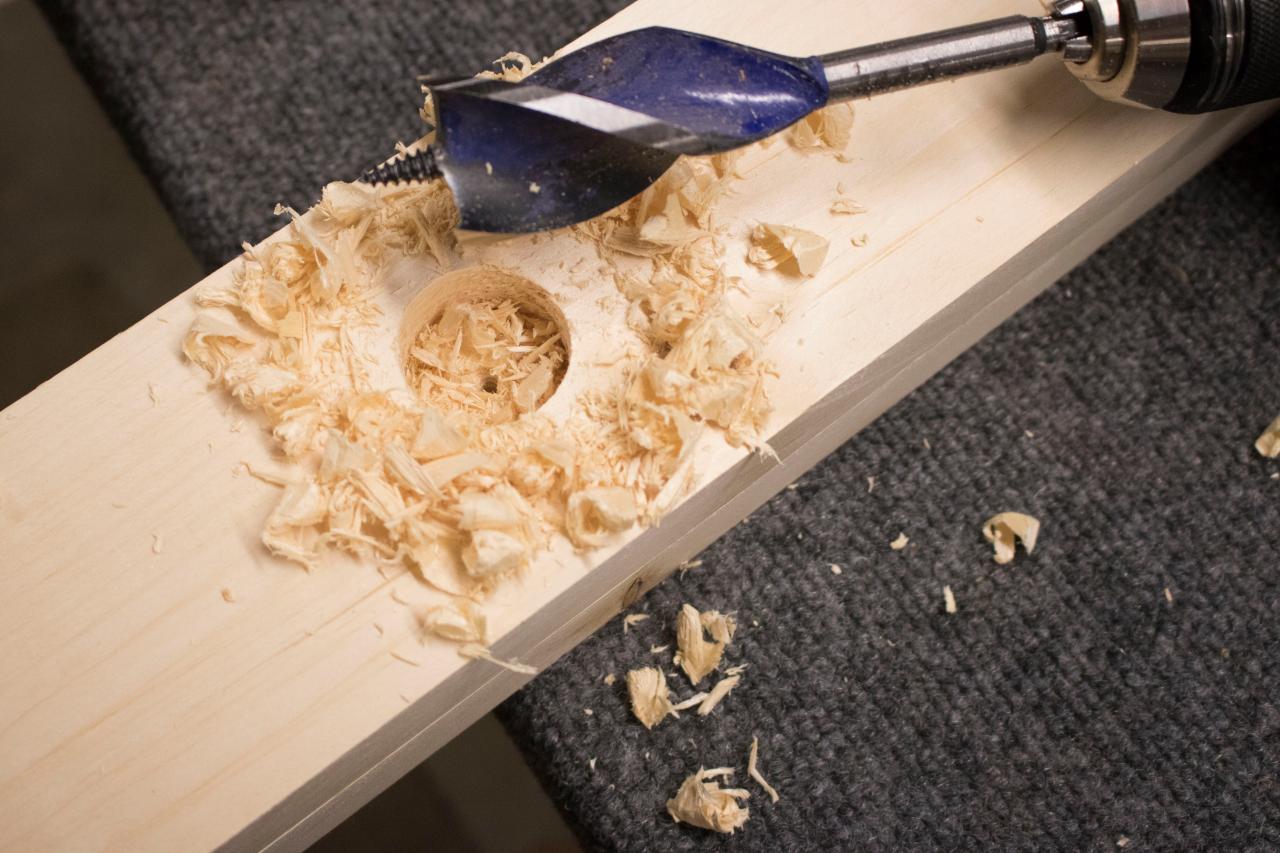
How to Create Customizable Wooden Blanket Ladders to Sell
Have you ever been frustrated trying to find the perfect blanket in a messy pile? Or maybe you're looking for a unique and stylish way to organize your throws and blankets? If so, you've come to the right place! Building and selling customizable wooden blanket ladders is a fantastic way to combine your creative passion with a growing demand for functional home decor.
These ladders are not only functional but also visually appealing, adding a touch of rustic charm to any living room, bedroom, or even a cozy reading nook. So, let's dive into the exciting world of crafting and selling these charming home essentials.
Why Blanket Ladders Are a Hot Commodity
The popularity of blanket ladders is on the rise for good reason: they're incredibly versatile, stylish, and practical. Here's why they're such a hit:
- Organization: They neatly display and store your blankets, freeing up valuable space in your closets or drawers.
- Aesthetic Appeal: Wooden blanket ladders can complement various interior design styles, from farmhouse chic to modern minimalist.
- Customization: You can personalize them with different wood stains, paints, and finishes to match your customers' preferences.
- Gift Idea: They make thoughtful housewarming gifts or even unique wedding presents.
- Growing Demand: The popularity of DIY and handmade goods continues to grow, making blanket ladders a sought-after item.
Step-by-Step Guide: Building Your Blanket Ladder
Building a blanket ladder might seem daunting, but with the right tools and instructions, it's a surprisingly achievable project. Here's a breakdown of the steps:
1. Gather Your Materials and Tools
Before you start, ensure you have all the necessary materials. You'll need:
- Wood: Choose sturdy wood like pine, oak, or cedar. You'll need 4 pieces for the sides and 4 pieces for the rungs.
- Wood Screws: Choose screws long enough to secure the rungs to the sides.
- Wood Glue: For added strength and durability.
- Wood Stain or Paint: Choose your desired finish.
- Sandpaper: For smoothing the wood before finishing.
- Measuring Tape and Pencil: For marking cuts and measurements.
- Saw: For cutting the wood to size (a circular saw or miter saw is recommended).
- Drill and Driver: For pre-drilling holes and driving screws.
- Safety Glasses: Protect your eyes while working with wood.
- Clamps: To hold the pieces together while you glue and screw them.
2. Cut the Wood to Size
This is where your saw comes in handy. Measure carefully and cut the wood for the sides and rungs according to your desired dimensions. Here's a basic guide:
- Sides: Typically 4 feet tall and 12 inches wide (adjust to your preference).
- Rungs: The length should be the width of the sides (12 inches in our example), and the number of rungs depends on the height of the ladder (usually 4-6 rungs).
3. Assemble the Ladder
Now, you'll put the pieces together:
- Mark and Pre-Drill: Mark the positions for the rungs on the sides using your pencil. Pre-drill holes slightly smaller than your screws to avoid splitting the wood.
- Glue and Screw: Apply a thin bead of wood glue to the ends of each rung. Position the rung on the side and drive the screws through the pre-drilled holes.
- Clamps: Use clamps to hold the rungs in place while the glue dries.
- Repeat: Attach the rest of the rungs, ensuring they are spaced evenly.
4. Sand and Finish
Once the glue dries completely, you can move on to sanding and finishing:
- Sand: Use sandpaper to smooth out any rough edges or imperfections on the wood.
- Finish: Apply your chosen wood stain, paint, or other finish. Let it dry thoroughly.
Customizing Your Blanket Ladders
The beauty of building wooden blanket ladders is the opportunity to personalize them. Here are some ideas to make your ladders unique:
- Wood Types: Experiment with different woods like walnut, cherry, or maple for distinctive grains and colors.
- Stains and Paints: Create a farmhouse feel with whitewashed or distressed finishes. Add a modern touch with vibrant colors or metallic accents.
- Hardware: Use decorative screws, metal hooks, or even leather straps for a rustic look.
- Shape: Instead of the traditional straight ladder, try a curved design or a slightly angled ladder.
- Size: Offer different sizes to cater to various spaces and blanket sizes.
- Personalization: Etch customer names or initials onto the wood.
Marketing and Selling Your Blanket Ladders
Once you've perfected your craft, it's time to showcase your creations and reach customers. Here are some effective strategies:
- Online Marketplaces: Platforms like Etsy, Amazon Handmade, and Shopify offer wide reach and established customer bases.
- Social Media: Use Instagram, Facebook, and Pinterest to create visually appealing content featuring your ladders and showcase your craftsmanship.
- Local Craft Fairs and Markets: Connect with potential customers face-to-face and allow them to touch and feel your products.
- Collaborations: Partner with home decor bloggers, influencers, or local shops for cross-promotion and expanded reach.
- Website: Consider creating your own website to showcase your products and offer personalized service.
Pricing Your Blanket Ladders
Setting the right price for your ladders is crucial. Consider factors like:
- Cost of Materials: Account for the wood, hardware, and any finishing materials.
- Your Time and Labor: Factor in the time it takes to build, sand, finish, and package your ladders.
- Competition: Research what other sellers are charging for similar products.
- Value Proposition: Highlight the unique features and benefits of your ladders, such as customization options or high-quality materials.
Commonly Asked Questions
Here are some common questions you might encounter when selling blanket ladders:
- Q: What kind of wood is best for blanket ladders?
A: Sturdy hardwoods like oak, maple, and walnut are ideal for durability. Pine is a good, affordable option, but it's softer and might dent more easily.
- Q: How do I prevent the wood from warping?
A: Ensure the wood is properly dried and use wood glue to secure the joints. Avoid using too much glue, which could cause warping.
- Q: How do I clean a wooden blanket ladder?
A: Dust regularly with a soft cloth. For more significant dirt, you can use a damp cloth with mild soap and water, but avoid saturating the wood.
- Q: What's the best way to ship a blanket ladder?
A: Ship in a sturdy box with protective padding around the ladder to avoid damage during transport.
- Q: Where can I find inspiration for blanket ladder designs?
A: Pinterest, Instagram, and Etsy are great resources for finding ideas. Don't be afraid to put your unique spin on existing designs.
Remember, creating and selling wooden blanket ladders is a rewarding journey. Embrace your creativity, prioritize quality craftsmanship, and build a successful business that allows you to share your passion with others. Good luck!
Sunday, November 3, 2024
Holiday Woodworking Projects for a Merry Christmas

Holiday Woodworking Projects for a Merry Christmas
As the air gets crisp and the scent of pine fills the air, it’s the perfect time to embrace the festive spirit and craft some charming holiday woodworking projects. From intricate ornaments to grand statement pieces, these projects will not only add a touch of warmth and charm to your home but also serve as unique gifts for loved ones.
Festive Wooden Ornaments
Small and simple, these ornaments are perfect for beginners and a delightful way to add a personal touch to your Christmas tree.
Snowflakes
Cut intricate snowflakes from thin plywood or basswood using a scroll saw or a jigsaw. Paint them white or add a touch of glitter for extra sparkle. You can even create a collection of snowflakes in varying sizes and designs for a whimsical effect.
Christmas Trees
Carve simple Christmas tree shapes from wood blocks and personalize them with paint, stencils, or woodburning techniques. You can even create a family of trees, each representing a member of your household.
Wooden Bells
Shape small pieces of wood into bells and use a drill to create a hole for a string or ribbon to hang them. Add details like painted designs or small wooden beads to enhance their charm.
Rustic Wooden Advent Calendar
An advent calendar is a cherished tradition that adds anticipation and excitement to the holiday season. This project allows you to create a unique and personalized piece that will be treasured for years to come.
Here are the steps:
- Choose a sturdy piece of wood, such as plywood or reclaimed wood, as the base of your calendar.
- Cut out 24 individual compartments, either rectangular or with fun shapes like stars or snowflakes.
- Paint or stain the compartments and the base to create a rustic and festive look.
- Attach each compartment to the base using wood glue or small nails, leaving space between them for easy access.
- Add a small hook or loop to the top of each compartment so you can hang little treats, gifts, or notes.
- You can even personalize the calendar by adding your family’s names, dates, or a special holiday message.
Rustic Wooden Planter Boxes
Bring a touch of holiday cheer to your indoor or outdoor space with handcrafted planter boxes. These can be filled with festive greenery like poinsettias, holly, or winterberry branches.
Here's a step-by-step guide:
- Choose durable wood like cedar or redwood for long-lasting planters.
- Cut the wood into the desired dimensions, ensuring it's wide enough for your plants and sturdy enough to support the weight of the soil.
- Join the pieces together using wood glue and screws for a strong and secure construction.
- Add a decorative touch with wood stains or paints, or leave the natural beauty of the wood exposed.
- Don't forget to create drainage holes at the bottom to prevent waterlogging.
- For added charm, you can attach decorative metal brackets to the planter box or paint whimsical holiday scenes on the sides.
Wooden Reindeer and Santas
Add a whimsical touch to your holiday decor with charming wooden reindeer and Santas. These figurines can be freestanding or designed to hang on a wall or door.
Here's how to create these festive characters:
- Select wood that is easy to carve and shape, such as basswood or pine.
- Sketch out the design of your reindeer or Santa onto the wood using a pencil.
- Use a saw, a chisel, or a carving knife to carefully shape the wood according to your design.
- Add details like antlers, a nose, and eyes using paint, markers, or woodburning tools.
- For a festive touch, dress your reindeer or Santa in miniature scarves or hats, or add a festive red bow.
Tips for Successful Holiday Woodworking
Here are some tips to ensure your holiday woodworking projects are a success:
- Plan your projects carefully. Gather all the materials and tools you’ll need before starting, and refer to detailed instructions or diagrams.
- Measure twice, cut once. Accuracy is essential for a professional-looking finish.
- Safety first. Always use appropriate safety gear when working with power tools or sharp instruments.
- Take your time and enjoy the process. Allow yourself to be creative and personalize your projects to make them truly special.
Embrace the magic of the holidays and let your creativity shine with these heartwarming holiday woodworking projects. They’ll bring a unique touch of warmth and charm to your home and make this Christmas truly unforgettable.
Friday, November 1, 2024
Stylish Pencil Holders That Will Appeal to Organizers and Minimalists
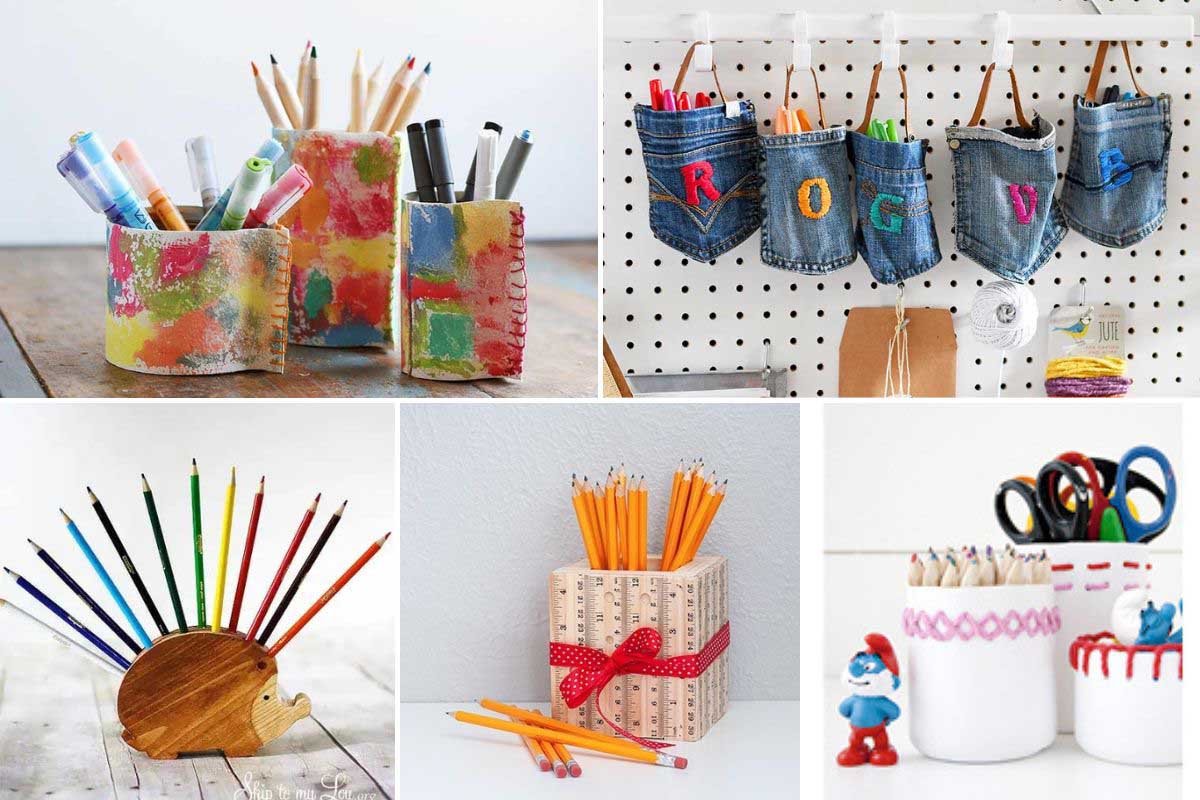
Stylish Pencil Holders That Will Appeal to Organizers and Minimalists
A tidy workspace isn't just about aesthetics; it's about creating a conducive environment for focus and productivity. For those who thrive on order and appreciate the beauty of simplicity, a stylish pencil holder can be the perfect finishing touch. It's not just about holding your pens and pencils; it's about elevating your desk decor and reflecting your personal style.
Embrace Minimalist Elegance
Minimalism is all about clean lines, muted tones, and a sense of understated elegance. When it comes to pencil holders, look for designs that embody these principles.
Geometric Forms
Geometric shapes like cylinders, cubes, and cones offer a timeless appeal and a touch of sophistication. A simple glass cylinder with a clear, uncluttered design can add a modern edge to your workspace. Alternatively, a sleek black cube with a matte finish exudes a sense of understated coolness.
Natural Materials
Embrace the beauty of natural materials like wood, bamboo, or ceramic. A wooden pencil holder with a light, natural grain can add warmth and a touch of rustic charm. A bamboo holder with a sleek, minimalist design can bring a sense of organic tranquility to your desk.
Add a Touch of Personality
While minimalism prioritizes simplicity, you can still inject a touch of your personality into your pencil holder.
Color Accents
Choose a holder with a subtle color accent that complements your workspace. A black pencil holder with a bright orange interior can add a pop of energy, while a white holder with a delicate gold rim brings a touch of sophistication.
Unique Textures
Explore pencil holders with unique textures that add visual interest. A textured ceramic holder with a matte finish can add a tactile element, while a metal holder with a brushed finish can create a modern and industrial feel.
Functionality Meets Style
Don't sacrifice functionality for style. Look for pencil holders that are both practical and aesthetically pleasing.
Ultimately, the perfect pencil holder for you is one that reflects your personal style and helps you create a workspace that inspires and empowers you.
Thursday, October 31, 2024
Floating Shelf Designs: DIY Wood Projects for Every Room

Floating Shelf Designs: DIY Wood Projects for Every Room
Hey there, DIY enthusiasts! Are you ready to add some stylish storage and personality to your home? Floating shelves are a fantastic way to do just that, and the best part? They're super easy to make! We're going to dive into some seriously cool floating shelf designs, all with a DIY touch, that will transform your living space into a haven of functionality and style.
Why Floating Shelves?
Before we get into the nitty-gritty, let's talk about why floating shelves are such a win. They’re not just for books anymore! These versatile shelves can be used to display your favorite artwork, plants, collectibles, or even your ever-growing collection of spices.
- Space-Saving Saviors: They make your room feel larger by eliminating the bulkiness of traditional shelves.
- Aesthetically Pleasing: They offer a clean, modern look that complements any style.
- Easy to Install: You don’t need any fancy tools or construction skills. You’ll be amazed at how quickly you can whip these up.
- Versatile Design: You can customize them to fit any space and create a unique look.
Floating Shelf Designs to Spark Your Creativity
Get ready to be inspired! Here are some floating shelf designs that are perfect for any room in your home:
The Classic Minimalist
This design is all about clean lines and functionality. Use simple, straight pieces of wood and a few sturdy brackets. You can choose a wood finish that complements your room’s décor. Think warm oak for a rustic vibe or sleek walnut for a modern touch.
The Industrial Chic
Embrace the raw beauty of reclaimed wood for a touch of industrial charm. Use exposed metal brackets or pipes to create a bold statement. The contrasting textures of wood and metal will add an edgy element to your space.
The Rustic Farmhouse
Embrace the warmth of natural wood with this design. Use reclaimed barn wood or knotty pine boards for a rustic feel. Add a touch of country charm with simple wrought iron brackets or distressed wooden corbels.
The Modern Geometric
This design is all about playing with angles and shapes. Use plywood to create shelves with unique angles or even incorporate circular elements. Pair these with sleek metal brackets or hidden supports for a modern, minimalist look.
The Bold and Colorful
Who says floating shelves have to be plain? Add some personality with bold colors or unique patterns. Paint the shelves in a bright shade or use patterned wallpaper to add visual interest. Get creative with your choices!
DIY Floating Shelf Instructions: Let's Get Building!
Okay, you're probably thinking, "I'm ready to get started!" Here’s a general guide for creating your DIY floating shelves:
- Choose your wood: Decide on the type of wood that fits your design and budget. Common choices include pine, oak, maple, or plywood.
- Measure and cut: Measure the space where you want to install your shelves, then cut your wood to size. Be sure to use a saw that’s appropriate for the type of wood you’re using.
- Sand and finish: Smooth out any rough edges with sandpaper. Then, apply a finish of your choice, such as paint, stain, or clear sealant.
- Choose your brackets: There are various types of brackets available, including metal, wood, or hidden support systems. Select ones that complement your design and can securely support the weight of your shelves.
- Install the brackets: Carefully attach the brackets to the wall using the appropriate hardware. Be sure to use anchors if necessary to ensure secure installation.
- Attach the shelves: Once the brackets are installed, carefully attach the shelves to the brackets, ensuring they are level and secure.
- Decorate your shelves: Now comes the fun part! Arrange your favorite items on your new floating shelves.
Tips for Successful DIY Floating Shelves
- Plan Ahead: Before you start, carefully plan your design and measure your space to ensure you have the right dimensions.
- Use the Right Tools: Invest in high-quality tools, such as a saw, drill, and level, to ensure precision and ease of installation.
- Safety First: Wear safety glasses and gloves when using power tools and handle sharp objects carefully.
- Don’t Overcrowd: Leave some breathing room between your shelves and items to avoid an overwhelming look.
- Play with Depth: Use shelves of varying depths to add visual interest and create a sense of movement.
- Embrace Imperfections: Remember, DIY projects don't have to be perfect. Embrace any imperfections or variations as part of the unique charm of handmade creations.
Commonly Asked Questions
Let's address some of your burning questions about floating shelves:
What Can I Use for Brackets?
The possibilities are endless! You can use metal L-brackets, decorative corbels, industrial pipes, or even create your own unique brackets using wood or other materials. Consider what complements your design and provides adequate support.
How Much Weight Can a Floating Shelf Hold?
This depends on the size of your shelf, the type of wood used, and the strength of your brackets. Make sure to choose brackets that can support the weight you plan to put on the shelf.
Can I Install Floating Shelves on Drywall?
Yes, you can! Just make sure to use appropriate anchors designed for drywall to provide secure installation. Refer to the instructions of the anchors for specific recommendations.
What Are Some Creative Ideas for Floating Shelves?
Get inspired! Here are a few ideas to get your creative juices flowing:
- Create a floating desk by extending a shelf to provide a workspace.
- Install a series of floating shelves to form a unique bookshelf that showcases your favorite reads.
- Build a floating spice rack to keep your kitchen organized.
- Use floating shelves to create a stunning gallery wall for your artwork.
- Turn a floating shelf into a cozy window seat by adding cushions and throw pillows.
There you have it! Now that you're armed with these DIY floating shelf ideas and tips, you're ready to transform your home into a stylish and functional haven. Don’t be afraid to experiment and let your creativity shine. Have fun building!
Wednesday, October 30, 2024
How to Build Custom Wall Shelves for Extra Income

Building Custom Wall Shelves for Extra Income: A Comprehensive Guide
In today's economy, many people are seeking ways to supplement their income. One promising avenue is to tap into the burgeoning DIY market by building and selling custom wall shelves. This guide provides a comprehensive overview of the process, from initial planning to marketing and sales, enabling you to embark on a rewarding journey of handcrafted excellence.
I. Planning and Preparation
1. Market Research and Niche Identification
Before diving into production, it's crucial to understand your target market and identify a niche. Analyze existing shelf offerings in your area to identify gaps or unmet needs. Consider factors like:
- Design trends: Are minimalist shelves or rustic farmhouse styles in demand?
- Material preferences: Do consumers favor wood, metal, or a combination?
- Functionality: Are there specialized needs for bookcases, display shelves, or floating units?
- Price point: What is the acceptable price range for your target audience?
By pinpointing your target market and their preferences, you can tailor your designs to meet specific needs and stand out from the competition.
2. Defining Your Brand and Style
Your brand identity will influence your marketing and customer perception. Consider:
- Brand name: Choose a name that reflects your aesthetic and resonates with your target audience.
- Logo: Develop a visual identity that is memorable and reflects your brand's personality.
- Style: Define your signature design style, whether it's contemporary, rustic, industrial, or a blend of elements.
Consistency in branding will help build recognition and establish your unique presence in the marketplace.
3. Gathering Tools and Materials
Your chosen shelf designs will dictate the necessary tools and materials. Ensure you have a well-equipped workspace with the following:
- Hand tools: Measuring tape, level, saw, drill, screwdriver, sander, clamps, hammer, chisel.
- Power tools: Circular saw, jigsaw, drill press (optional), router (optional), sander (optional).
- Materials: Wood (various types and sizes), metal brackets, screws, nails, glue, stain, paint, finish (varnish, lacquer).
Invest in quality tools and materials that will produce durable and aesthetically pleasing shelves.
II. Designing and Building
1. Sketching and Planning
Start by sketching your shelf designs on paper. Consider:
- Dimensions: Determine the desired width, depth, and height of the shelves.
- Number of shelves: How many shelves will your unit have, and how will they be arranged?
- Shelving style: Will the shelves be open, enclosed, or a combination?
- Bracketing: Choose the type of brackets that best suit your design and provide adequate support.
- Finishing: Select a finish that complements the style and enhances the durability of the shelves.
Once you have a clear vision, create detailed drawings or digital models to guide your construction process.
2. Cutting and Assembling
Carefully cut your materials according to your plans, ensuring precision and accuracy. Use a combination of hand tools and power tools as needed. When assembling the shelves, follow these tips:
- Pre-drill holes: This prevents wood splitting and ensures accurate screw placement.
- Use wood glue: Glue provides additional strength and stability to the joints.
- Securely fasten brackets: Ensure that the brackets are firmly attached to the wall for optimal support.
- Inspect for stability: Before installing the shelves, test their stability and strength.
3. Finishing Touches
After assembling the shelves, add the finishing touches to enhance their appearance and durability:
- Sanding: Smooth any rough edges and imperfections with a sander.
- Staining or painting: Apply stain or paint according to your design and desired color scheme.
- Sealing: Apply a clear finish, such as varnish or lacquer, to protect the shelves from moisture and scratches.
Pay attention to detail and ensure a professional finish that reflects your craftsmanship.
III. Marketing and Sales
1. Building an Online Presence
Establish an online presence to showcase your work and reach a broader audience:
- Website or online store: Create a professional website or use an online platform like Etsy or Shopify to sell your shelves.
- Social media: Utilize platforms like Instagram, Pinterest, and Facebook to promote your products and connect with potential customers.
- Online marketplaces: List your shelves on platforms like Craigslist, Facebook Marketplace, or local online communities.
High-quality product photos and compelling descriptions are crucial for attracting customers online.
2. Local Networking and Sales
Connect with local businesses and communities to expand your reach:
- Craft fairs and markets: Participate in local events to showcase your shelves and interact with potential buyers.
- Home improvement stores: Collaborate with stores to display your products or offer custom shelf installation services.
- Local businesses: Offer your shelves to local businesses for display or storage solutions.
- Materials cost: Calculate the cost of materials and labor involved in creating each shelf.
- Market value: Research the pricing of similar shelves in your area to set a competitive rate.
- Profit margin: Factor in a reasonable profit margin to cover expenses and ensure profitability.
- Responsive communication: Respond promptly to inquiries and address customer concerns professionally.
- Personalized service: Offer customized solutions and cater to individual customer preferences.
- Positive reviews: Encourage customer reviews and testimonials to build social proof and enhance your reputation.
- New designs: Experiment with new styles and materials to keep your product line fresh and appealing.
- Customer feedback: Actively solicit customer feedback to identify areas for improvement and new product ideas.
- Industry trends: Stay informed about design trends and emerging technologies in the DIY and home decor industries.
- Expanding your product line: Offer additional items, such as furniture, home decor, or custom woodworking projects.
- Outsourcing: Consider outsourcing some tasks, such as cutting or finishing, to free up your time for design and marketing.
- Hiring help: As your workload increases, hire additional personnel to assist with production, marketing, or customer service.
Networking and establishing local partnerships can lead to valuable referrals and sales opportunities.
3. Pricing and Payment
Determine competitive pricing for your shelves by considering:
Offer flexible payment options, such as online payments or cash on delivery, to enhance customer convenience.
IV. Building a Successful Business
1. Customer Service and Reviews
Excellent customer service is vital for building trust and repeat business:
Excellent customer service will lead to positive word-of-mouth marketing and foster long-term customer loyalty.
2. Continuous Improvement and Innovation
Stay ahead of the curve by continuously seeking improvement and innovation:
By embracing continuous improvement, you can adapt to evolving market demands and maintain a competitive edge.
3. Scaling Your Business
As your business grows, consider strategies to scale your operations:
Strategic scaling will enable you to manage growth efficiently and expand your business reach.
Building custom wall shelves for extra income offers a rewarding and creative opportunity. By combining meticulous craftsmanship with effective marketing strategies, you can establish a successful business that caters to the growing demand for personalized home decor solutions.
Friday, October 25, 2024
How to Make a Wooden Candle Holder with a Geometric Design

Craft a Stunning Wooden Candle Holder with a Geometric Design
Ready to unleash your inner artist and create a unique, eye-catching candle holder? Look no further! This step-by-step guide will walk you through the process of crafting a geometrically inspired wooden candle holder that's sure to impress. From choosing the right wood to adding finishing touches, we'll cover it all. So, grab your tools and let's get crafting!
Gather Your Supplies
First things first, gather all the materials you'll need. This project is perfect for beginners, so don't worry if you're not a seasoned woodworker. You'll find most of these supplies at your local hardware store or online.
- Wood: Choose a wood that's easy to work with, like pine, cedar, or plywood. Aim for a piece that's about 1/2 inch thick and large enough to accommodate your design.
- Jigsaw: A jigsaw is essential for cutting out the intricate geometric shapes. If you don't have one, you can use a scroll saw or a hand saw for a more rustic look.
- Sandpaper: Use a variety of grits (from coarse to fine) to smooth out the wood after cutting.
- Wood glue: Needed for assembling the different pieces of your candle holder.
- Clamps: Keep the pieces together while the glue dries.
- Measuring tape: For precise measurements when planning your design.
- Pencil: For marking the wood and creating your design.
- Safety goggles and dust mask: Protect yourself from dust and debris when working with wood.
- Wood stain or paint (optional): To give your candle holder a unique finish.
- Candle: Choose a candle size that fits comfortably in your holder.
Design Inspiration: Geometric Wonders
The beauty of this project lies in its customizable design. There's no "right" or "wrong" way to approach it. Let your creativity guide you.
Here are some geometric shapes that can inspire your design:
- Triangles: Create a modern look with a series of interconnected triangles, or use them to form a pyramid shape for a bold statement.
- Squares and Rectangles: Simple yet elegant, squares and rectangles offer a clean and minimalist aesthetic. Combine them with other shapes for a playful touch.
- Circles: Circles add a sense of fluidity and movement. Try incorporating them as circular cutouts within a square or rectangular base.
- Hexagons: A classic choice with a touch of whimsy, hexagons offer a unique and eye-catching design. You can even use them to create a honeycomb pattern.
Step by Step: Crafting Your Geometric Masterpiece
Now, it's time to bring your vision to life!
Step 1: Design and Sketch
On a sheet of paper, sketch out your desired geometric design. Experiment with different shapes and arrangements until you're happy with the result. Consider the size of your candle and the overall look you want to achieve. Be sure to label the dimensions of each shape so you can easily transfer them to your wood.
Step 2: Transfer the Design
Use your pencil and measuring tape to transfer your design onto the wood. Be as precise as possible. If you're working with a complex design, consider using a ruler or a protractor for accuracy. Remember, you can always erase any mistakes.
Step 3: Cut Out the Shapes
This is where your jigsaw comes in handy. Securely clamp the wood to your work surface to prevent movement. Carefully follow the lines you've drawn, making sure to keep the blade at a 90-degree angle to the wood. Take your time and make smooth cuts to avoid splintering.
Step 4: Sanding and Finishing
Once you've cut out all the shapes, it's time to smooth them out. Start with a coarse grit sandpaper to remove any rough edges. Gradually work your way to finer grits until the surface is smooth and free of blemishes. Sanding is crucial for a professional-looking finish.
Step 5: Assembling the Holder
Now it's time to put your pieces together. Apply wood glue to the edges of the shapes where you want them to join. Use clamps to hold the pieces in place while the glue dries completely. If your design calls for overlapping pieces, make sure the glue is properly applied to both surfaces for a secure bond.
Step 6: Finishing Touches
After the glue dries, your candle holder is almost ready to shine! You can add a finishing touch by staining or painting the wood. Apply the stain or paint evenly, following the instructions on the product's label. Let the finish dry completely before using your candle holder. If you choose to stain, you can use multiple coats to achieve a deeper hue.
Step 7: Enjoy Your Creation
Congratulations! You've successfully crafted a stunning wooden candle holder with a geometric design. Place your candle inside and admire your handiwork. It's a perfect piece to add a touch of warmth and style to any room in your home.
Tips for Success
Here are a few additional tips to help you along the way:
- Practice makes perfect. If you're a beginner, practice your cuts on scrap wood before tackling your main project.
- Use a template. For complex designs, create a template from cardboard or thin plywood to ensure accuracy.
- Don't be afraid to experiment. Try different stains, paints, or finishes to personalize your candle holder.
- Embrace imperfection. Remember, handmade items often have a certain charm. Don't be discouraged if your project isn't perfectly symmetrical.
Commonly Asked Questions
Still have questions? Let's tackle some common ones:
Q: What type of wood is best for candle holders?
A: Hardwoods like maple, oak, and walnut are sturdy and resistant to warping. Softer woods like pine, cedar, and basswood are easier to work with. Ultimately, it comes down to personal preference and the look you're going for.
Q: What if I don't have a jigsaw?
A: You can use a scroll saw, a hand saw, or even a utility knife for simple designs. Remember, a more rustic look can be charming.
Q: How do I prevent the wood from catching fire?
A: Always use a candle holder with a wide enough base to keep the flame away from the wood. Consider using a heat-resistant material like glass or metal for the candle's immediate surroundings. Never leave burning candles unattended.
Q: How do I add a personal touch to my candle holder?
A: Get creative! You can add decorative elements like beads, gems, or even your own artwork to personalize your design. Experiment with different finishes and colors to create a one-of-a-kind masterpiece.
So, there you have it! With a bit of patience and creativity, you can create a stunning wooden candle holder that will brighten up your space and add a touch of handmade charm to your home. Go ahead, unleash your inner artist and get crafting!
Wednesday, October 23, 2024
Wine Rack Woodworking Ideas to Start Your Small Business

Uncorking a Business: Wine Rack Woodworking Ideas
Do you have a passion for woodworking and a love for wine? Then why not combine your passions and start a rewarding small business creating custom wine racks? The demand for unique and stylish wine storage solutions is high, offering a fantastic opportunity to tap into a lucrative market. From simple to elaborate, rustic to modern, your woodworking skills can transform a hobby into a flourishing enterprise.
Finding Your Niche
The first step in starting any successful business is identifying your niche. Consider what kind of wine racks you want to build, and who your target market is. Do you envision yourself crafting elaborate, one-of-a-kind pieces for discerning collectors, or offering functional and affordable options for the average wine enthusiast?
Consider these factors:
- Wine Storage Needs: Will you focus on racks for bottles, glasses, or both? What about space limitations for small apartments versus spacious wine cellars?
- Design Styles: Are you drawn to traditional, modern, rustic, or contemporary designs?
- Materials: What types of wood appeal to you? Will you use reclaimed wood for a unique and sustainable touch?
- Price Point: What is your target price range? Will you offer customized options that cater to different budgets?
Crafting Your Brand
Once you've established your niche, you can start building your brand. This includes coming up with a memorable name, designing a logo, and creating a strong online presence. Social media platforms like Instagram and Facebook are excellent tools for showcasing your work and connecting with potential customers.
Here are some key elements for your brand:
- Name: Choose a name that reflects your style and your target market. For instance, "Rustic Wine Racks" or "Modern Cellar Creations" clearly convey your niche.
- Logo: Design a logo that is visually appealing and represents your brand identity. Consider using elements that relate to wine, wood, or your specific style.
- Online Presence: Create a website or online store to showcase your work, list prices, and provide contact information.
Building Your Skills
Wine racks can range in complexity, from simple wall-mounted shelves to intricate, multi-tiered structures. It's essential to hone your woodworking skills and be confident in your ability to construct sturdy and aesthetically pleasing pieces.
Here are some tips to improve your woodworking skills:
- Take Workshops: Enroll in woodworking classes to learn new techniques and refine your skills.
- Practice, Practice, Practice: Start with simple projects and gradually work your way up to more complex designs.
- Experiment with Different Materials: Try working with different types of wood to discover your preferences and expand your skillset.
- Seek Feedback: Get feedback from friends, family, and fellow woodworkers to improve your designs and craftsmanship.
Marketing Your Wine Rack Business
Once you've created beautiful and functional wine racks, it's time to get the word out. Effective marketing can help you reach your target audience and grow your business.
Here are some marketing strategies to consider:
- Online Presence: Utilize social media platforms, create a website, and run online ads to promote your products.
- Local Events: Participate in craft fairs, farmers markets, and wine-related events to connect with potential customers in person.
- Collaborations: Partner with local wineries, restaurants, or wine shops to showcase your work and reach a wider audience.
- Word-of-Mouth: Encourage customer referrals by offering discounts or incentives for new business.
Growing Your Wine Rack Business
As your business grows, you can consider expanding your product line to offer a wider range of wine storage solutions. You might even offer custom design services to create truly unique and personalized pieces for your clients.
Here are some ideas for expanding your business:
- Custom Orders: Offer bespoke designs to cater to the individual needs and preferences of your customers.
- Specialty Racks: Create specialized wine racks for specific purposes, such as bottle displays, countertop units, or storage for glasses.
- Collaborations: Partner with other artisans or businesses to offer complementary products or services.
- Workshops: Host woodworking workshops or classes to share your passion and teach others the art of crafting wine racks.
Starting a small woodworking business specializing in wine racks offers a fulfilling and rewarding path. With a combination of passion, skill, and a strategic marketing plan, you can transform your love for wine and woodworking into a successful and thriving enterprise. Cheers to your entrepreneurial journey!
Wednesday, October 16, 2024
Wooden Toys That Double as Decorative Pieces for Children’s Rooms

Wooden Toys That Double as Decorative Pieces for Children’s Rooms
Transforming a child's room into a haven of imagination and style is a dream for every parent. Wooden toys offer a unique blend of durability, natural beauty, and a timeless appeal that complements any décor. But beyond their practical functionality, wooden toys can also double as stunning decorative pieces, elevating the room's aesthetics and creating a warm, inviting atmosphere.
The Timeless Appeal of Wooden Toys
Wooden toys, with their intricate carvings, vibrant colors, and natural textures, possess a charm that never fades. Their craftsmanship speaks of quality and sustainability, making them heirlooms that can be passed down through generations. This enduring appeal sets them apart from fleeting plastic toys, adding a touch of sophistication to any child's room.
Transforming Toys into Decor
Wooden toys can be integrated into the décor in countless ways, adding personality and visual interest. Consider these ideas:
Showcase the Collection
Create dedicated display shelves or open storage solutions to showcase the collection of wooden toys. Arrange them by size, color, or type, turning the toys into eye-catching focal points. A simple, rustic ladder shelf can add a touch of farmhouse charm, while a modern floating shelf can create a sleek, contemporary look.
Embrace the Artistic Flair
Wooden toys often feature intricate designs and vibrant colors that can be incorporated into the overall design scheme. Look for toys with geometric patterns, playful animal shapes, or whimsical characters that can add a splash of color and personality to the room.
Embrace the Natural Element
The natural beauty of wood itself can be a key decorative element. Choose toys with unpainted finishes or subtle stains to create a warm, inviting atmosphere. Consider incorporating wooden blocks, stacking rings, or wooden puzzle pieces as decorative accents on shelves or tables.
Ideas for Wooden Toys That Double as Decor
Here are a few specific examples of wooden toys that effortlessly transition from playtime to decorative pieces:
- Wooden Trains: Instead of keeping them confined to a track, arrange them in a scenic display along a shelf or on a tabletop. Add miniature trees, houses, and people for a charming miniature landscape.
- Wooden Dolls: Dress up dolls in handmade outfits or vintage clothing and place them on a dresser or a vanity table, creating a whimsical vignette.
- Wooden Animals: Group wooden animal figures by type, habitat, or color, creating a miniature zoo or a woodland scene. These can also be placed on shelves, bookshelves, or even above a crib.
- Wooden Puzzles: Select puzzles with beautiful artwork or interesting designs and display them on a wall or on a bookshelf. This adds visual interest and encourages learning at the same time.
- Wooden Building Blocks: Beyond their classic play value, wooden blocks can be used to create imaginative sculptures or decorative structures. Encourage children to experiment with different arrangements and color combinations.
Creating a Harmonious Look
The key to incorporating wooden toys as decorative pieces is to ensure they complement the overall design aesthetic. If your room features a minimalist aesthetic, choose toys with clean lines and natural finishes. For a more whimsical or eclectic look, consider toys with vibrant colors, playful patterns, and unique designs. The possibilities are truly endless, allowing you to create a space that is both functional and aesthetically pleasing.
By embracing the beauty and versatility of wooden toys, parents can create children's rooms that are not only safe and stimulating but also stylish and unique. These toys, far from being mere playthings, become cherished companions, transforming into cherished decorative pieces that reflect a child's personality and inspire creativity for years to come.
Thursday, October 10, 2024
How to Make Inspirational Wood Signs That Sell

Crafting Inspirational Wood Signs That Sell: A Comprehensive Guide
In the realm of artisanal crafts, wooden signs have emerged as a captivating and enduring trend. Their rustic charm, versatility, and ability to convey heartfelt messages resonate deeply with consumers seeking to adorn their homes and spaces with personalized and meaningful decor. Among the diverse themes that adorn these wooden canvases, inspirational messages stand out as particularly popular, offering a touch of motivation and positivity to daily life. This comprehensive guide will equip aspiring crafters with the knowledge and techniques to create inspirational wood signs that not only captivate the eye but also resonate with a wide audience, driving sales and establishing a thriving business.
Understanding the Market Demand
Before embarking on the journey of creating inspirational wood signs, it is essential to understand the market dynamics and the factors that drive consumer demand.
Identifying the Target Audience
Identifying the target audience is paramount in crafting inspirational wood signs that resonate. Consider the demographics, interests, and preferences of potential buyers. For example, signs with quotes about family, love, and home appeal to those seeking to create a cozy and inviting ambiance, while those seeking motivation and self-improvement might gravitate towards signs with affirmations and inspirational sayings. Understanding the target audience allows you to curate designs and messages that are aligned with their values and aspirations, enhancing their appeal and connection to the art.
Analyzing Trends and Popular Themes
Staying abreast of current trends and popular themes is crucial for maintaining relevance in the ever-evolving market. Observe popular social media hashtags, browse online craft marketplaces, and attend local craft fairs to gain insights into the styles and themes that are currently capturing the attention of consumers. Popular themes often revolve around:
- Home and Family: Quotes about love, family, and the importance of home.
- Motivation and Inspiration: Affirmations, uplifting quotes, and messages of hope and strength.
- Nature and Rustic Charm: Quotes about nature, tranquility, and the simple things in life.
- Faith and Spirituality: Bible verses, prayers, and religious quotes.
- Travel and Adventure: Quotes about exploration, wanderlust, and the beauty of the world.
Researching Competitors and Pricing Strategies
Conduct thorough research on your competitors, analyzing their designs, pricing, and marketing strategies. This analysis will help you identify opportunities to differentiate your offerings and establish competitive pricing structures. Observing successful competitors can reveal valuable insights into what resonates with buyers, allowing you to refine your approach and craft signs that stand out from the crowd.
Crafting Compelling Designs
The design of your inspirational wood signs is the cornerstone of their appeal and success. A captivating design draws the eye, conveys the message effectively, and sparks a connection with the viewer. Here's a comprehensive guide to crafting compelling designs:
Choosing the Right Wood and Size
Select wood types that complement the overall aesthetic and message of your sign. Reclaimed wood, rustic barnwood, and smooth-finished hardwoods all offer distinct visual qualities. Consider the size of the sign in relation to the message and the space where it will be displayed. A small sign with a succinct quote might be suitable for a bookshelf, while a larger sign with a more expansive message could adorn a wall or mantelpiece.
Selecting Fonts and Colors
The font and color choices for your signs play a pivotal role in conveying the message and creating the desired visual impact. Select fonts that are legible, complement the overall aesthetic, and evoke the desired emotions. For example, a bold, cursive font might convey a sense of elegance, while a simple, sans-serif font might evoke a more minimalist and contemporary feel. Color choices are equally important, with hues like warm browns, blues, greens, and whites often complementing the rustic charm of wood signs.
Incorporating Visual Elements
Consider incorporating visual elements to enhance the overall design and add a touch of personality. These elements could include:
- Simple Line Drawings: Adding a subtle line drawing of a heart, flower, or other symbolic image can add visual interest and enhance the message.
- Embellishments: Decorative elements such as twine, ribbons, or metal accents can enhance the visual appeal and add a touch of texture.
- Stencils: Stencils allow for precise application of patterns and designs, creating a professional and polished look.
- Embroidery: For a touch of handcrafted charm, consider adding embroidered details or lettering to your signs.
Writing Effective Inspirational Messages
The heart of an inspirational wood sign lies in its message. Craft messages that are meaningful, uplifting, and resonate with a wide audience. Here are some tips for writing effective inspirational messages:
Choosing Quotes and Sayings
Draw inspiration from a diverse range of sources, including famous quotes, poetry, song lyrics, and personal reflections. Focus on messages that evoke positive emotions, offer encouragement, or inspire personal growth. Consider the intended audience and tailor your message accordingly.
Creating Original Messages
Crafting original messages allows for a truly unique and personalized touch. Reflect on your own experiences and insights, and translate them into powerful messages that resonate with others. Remember to keep the language concise, impactful, and easy to comprehend.
Ensuring Clarity and Readability
Clarity and readability are essential for any inspirational message. Use straightforward language, avoid overly complex phrases, and ensure that the message is easily digestible at a glance. The message should be clear, concise, and impactful, leaving a lasting impression on the viewer.
Promoting and Selling Your Wood Signs
Once you've crafted stunning inspirational wood signs, it's time to market them to a wider audience. Here are effective strategies for promoting and selling your creations:
Building an Online Presence
Establish an online presence through a website, social media platforms, and online marketplaces. High-quality photographs of your signs are essential for showcasing their beauty and capturing the attention of potential buyers. Engage with your audience through social media, share behind-the-scenes content, and foster a sense of community.
Participating in Craft Fairs and Markets
Craft fairs and markets provide a valuable opportunity to showcase your signs in person, interact with potential buyers, and gather feedback. Prepare a well-organized display that highlights the uniqueness of your designs. Engage with attendees, share your passion for craft, and foster a sense of connection with your work.
Collaborating with Retailers and Shops
Explore opportunities to partner with local retailers and shops that align with your target audience. This collaboration can expose your signs to a wider customer base and enhance your brand visibility.
Offering Personalized and Custom Orders
Provide the option for personalized and custom orders, allowing customers to commission signs with unique messages, fonts, and designs. This personalized approach enhances the customer experience and creates a sense of exclusivity.
Creating inspirational wood signs that sell is a rewarding endeavor that combines artistic expression with the ability to bring joy and positivity into people's lives. By understanding the market dynamics, crafting compelling designs, writing effective messages, and effectively promoting your creations, you can establish a thriving business that reflects your passion and creativity. As you navigate this journey, remember to embrace experimentation, seek feedback, and continuously refine your approach to create inspirational wood signs that captivate the heart and elevate the spirit.